You've been thinking about it for a while. Maybe a few months. Maybe since that bag you spotted on TikTok sold out in four hours and you thought — I could do that.
Good news: you can. Bad news: every guide you've read so far is going to make it harder, not easier. Because they're all written for a world that doesn't exist anymore.
This one isn't. Let's go.
Why Most Handbag Brand Guides Are Wrong in 2026
Every guide on starting a handbag brand tells you the same thing. Research your market. Find your niche. Build your brand identity. Create a logo.
Cool. Very helpful. Extremely useless.
You know what none of those guides tell you? That the factory won't care about your logo. That your "brand identity" means nothing if you can't hit a 500-unit minimum. That "finding your niche" is something you do after your first drop sells out. Not before it.
The brands winning in 2026 didn't start with a business plan. They started with one bag. A single silhouette their audience was already asking for. A radical pricing decision. A waitlist. None of them started with a logo brainstorm and a competitor analysis spreadsheet.
What they started with was simpler and harder at the same time: a product someone actually wanted to buy right now. Not eventually. Not "when the brand is ready." Right now.
That's what the guides miss. A handbag brand in 2026 doesn't start with branding. It starts with a bag that sells. The brand is what happens after you sell enough of them.
So if you've been waiting until everything is ready — the name, the website, the packaging, the aesthetic — stop. Nothing is ready until someone hands you money for the product. That's ready.
The 3 Paths That Actually Work
There is no single way to start a handbag brand. There are three. And which one is yours depends entirely on what you already have.
Path A: You have an audience. You've been posting. People follow you. They DM you "where is this from?" on literally every bag you carry. You don't have a product yet. You have something more valuable than a product. You have demand. Proven, real, already-exists demand. Your path is creator-to-brand. You source first, you validate, you sell. The brand builds itself around what your audience keeps buying.
Path B: You have product knowledge. You run a boutique. You've been selling other people's bags for years. You know which silhouettes move. You know which price points your customers reach for without hesitating. You have the single most underrated asset in the entire fashion industry: actual retail data. Your path is boutique-to-brand. You're not guessing what sells. You already know.
Path C: You have hustle and data. You've done some drops. Resold some bags. Figured out what your buyers want. You have transaction history, not just follower count. Your path is reseller-to-brand. You're not starting from zero. You're graduating.
Pick your path. The steps after are mostly the same.
Pre-Sell Before You Manufacture (No, Seriously)
Stop making bags people might buy. Start making bags people already paid for.
This is not a marketing trick. This is risk elimination. Completely, structurally, mathematically.
Here's how it works in practice. You spot a bag. You submit it. You get a quote in 24 hours — sourcing cost, quality notes, shipping timeline. Then you post a teaser. One story. The bag. No price, no date. Just the bag. You watch the DMs come in. Then you open pre-orders for 48 hours. You close them. You count what sold. You order exactly that number.
You never touch inventory you don't already have a buyer for. Ever.
The full mechanics are in the pre-sell playbook — but the concept fits in a sentence: collect the money first, then spend it.
Honestly, this should be how every product business works. Most don't. Their loss.
MOQ: The Wall Everyone Hits (And How to Not Care)
Walk into any factory and ask for a quote. They'll tell you 500 units. Doesn't matter what you're making. Doesn't matter how simple the bag is. 500. That's the script.
And that's where most aspiring brand owners quit. They hear 500, do the math, see $12,000–$25,000 upfront, and decide their dream was naive.
They weren't wrong to want the brand. They were just talking to the wrong factories.
Here's the actual landscape in 2026:
Traditional wholesale factory: 500–1,000 units minimum. Built for established brands with cash and history. Not for you right now. Skip it.
ODM supplier: 50–300 units. They have existing designs you can customize — color, hardware, lining, logo. Faster. Cheaper to start. Less unique, but enough to test.
OEM with the right partner: from 50 units, based on our current supplier network. Your design. Your IP. Your brand. Starting at a quantity that doesn't require a second mortgage.
The wall isn't as high as you think. It just requires knowing where to look.
OEM vs ODM vs Private Label: Pick One and Move
People spend months on this decision. Genuinely months. They research, they make spreadsheets, they ask Reddit. Then they do nothing.
Here's the short version:
| OEM | ODM | Private Label | |
|---|---|---|---|
| Your design or theirs? | Yours | Theirs | Mostly theirs |
| Who owns the IP? | You | Factory | Shared / negotiable |
| MOQ | Higher | Lower | Lowest |
| Speed to market | Slower | Fast | Fastest |
| Uniqueness | Full | Partial | Low |
The decision is simpler than people make it: done zero to two drops? Start with sourcing or ODM. Validate first, manufacture later. Done three to five drops with real sales data? OEM. You know what your buyers want. Manufacture it under your name.
Want the full OEM breakdown? Read the OEM playbook, then come back.
Designing Without Being a Designer
Good news: you don't need to be one.
Nobody's asking for a full technical spec sheet and a CAD file. That's not how most small brands start — and the ones who pretend otherwise are either lying or working with a budget that would make you cry.
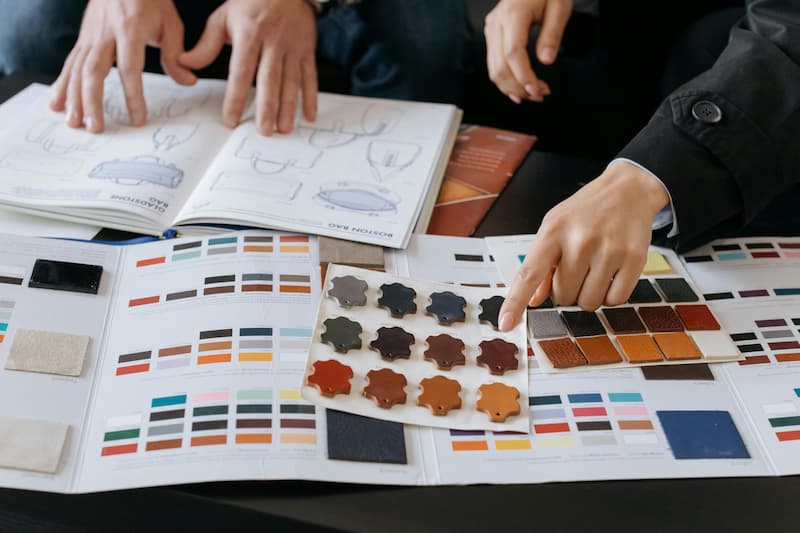
Here's what actually happens. You find a bag you love. A shape, a structure, a silhouette that you know your audience responds to. You submit it as a reference. The factory produces a sample close to it. You adjust. Different hardware. Different color. Different lining. Your logo on the interior. That's it. That's the design process for 90% of new brands at this stage.
It's not glamorous. It's also how it works. And after two or three iterations, you start to understand what's actually possible, and what's just expensive.
The "designed by" credit comes later. Right now you're curating. Which is a real skill. Literally nobody talks about this enough.
IP and Trademarks: What You Actually Own
This section is short because the actual answer is short.
With ODM: the factory owns the base design. They can (and often will) sell something identical to your competitor next quarter. Some offer exclusivity windows for a fee. Read the contract.
With OEM: you own the design. It's yours. Period. Get that in writing.
Your brand name: trademark it before you manufacture, not after. Not because lawyers are fun — because someone will register it once you start selling if you don't. It's happened. It will keep happening. Takes about 10 minutes to file a provisional trademark online. Do it.
That's IP for new handbag brands. Not complicated. Just easy to ignore until it's a problem.
Real Numbers: Pricing, Margins, What You Keep
Let's be blunt about what the money actually looks like.
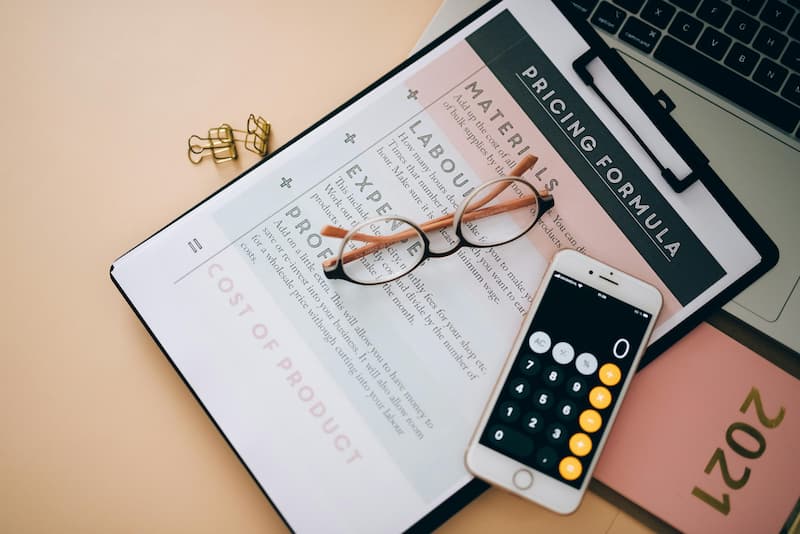
Sourcing cost for a mid-range trending bag: $25–$40 per unit, based on our current supplier network. That's what you pay. Retail price you set: $79–$110. Margin per unit: $40–$70. On a 20-unit drop: $800–$1,400 net.
That's one drop. One bag. Three weeks of work.
Twelve drops in a year at the conservative end: $9,600–$11,200. At the high end, with better iteration and a growing audience: closer to $30,000. From the same followers you already have.
The full income math breakdown is worth reading before your first drop — it goes deeper on every variable.
The point isn't that you'll get rich quick. The point is that the margin on a direct product sale is so much higher than anything else you're doing to monetize that it's actually a little embarrassing. Affiliate links. Brand deals. Creator Fund. None of them are close.
Sourcing: The No-Wholesale-Minimum Path
Trade shows are fun if you have three days, a flight budget, and the confidence to negotiate in a foreign language with someone who has 40 years of manufacturing experience and zero reason to take your 50-unit order seriously.
Most people don't have that. So they skip the whole thing.
Here's the actual alternative. You spot a bag. On TikTok, on a competitor, in your own DMs where someone is already asking where to get it. You submit the photo or link. You get a sourcing quote in 24 hours: price, quality notes, shipping timeline. You order any quantity that makes sense for your drop size. Quality gets checked before it ships. It arrives. You sell it.
That's it. That's the whole process.
Find My Bag is where it starts. Free to submit, no account needed, no commitment until you say yes to a quote.
Submit it. Get a quote in 24 hours. Pre-sell before you order.
No minimum order. No commitment required. You get the sourcing price, quality notes, and shipping timeline before you spend a dollar.
Find My Bag → Free to submit · Quote in 24h · Zero commitmentWhat Actually Sets Successful Handbag Brands Apart
After watching a lot of brand attempts succeed and fail, three patterns show up consistently in the ones that make it.
Pattern 1: They validated before they invested. Not in a "run a survey" way. In a "collected actual money before placing a single order" way. The brands that last didn't guess what their audience wanted. They asked, they measured, they counted DMs. Then they ordered. The ones that failed ordered first and hoped. Hope is not a sourcing strategy.
Pattern 2: They iterated on existing silhouettes instead of inventing from scratch. Starting with a completely original design sounds exciting. It is also expensive, slow, and risky when you have zero sales history. The smartest early-stage brands found a shape that was already resonating with their audience, refined it, and made it theirs through material choice, hardware, color, and branding. Original design is a season three move. Not a season one move.
Pattern 3: They owned the customer relationship directly. No wholesale. No retail middleman taking 50% of the margin. No marketplace eating the data about who your buyers actually are. Every brand that scaled past the first year did it by keeping the transaction direct: their audience, their product, their customer data, their repeat buyer. The moment you hand that relationship to a third party, you stop being a brand and start being a supplier.
None of these patterns require a fashion background. Or a factory relationship. Or a business school degree. They require discipline and a willingness to sell before you spend.
Your 90-Day Plan (Actual, Actionable, No Fluff)
This is the part where most guides write something vague like "build your brand presence and start networking with manufacturers." Cool. Thanks. Very useful. Moving on.
Here's the actual 90 days.
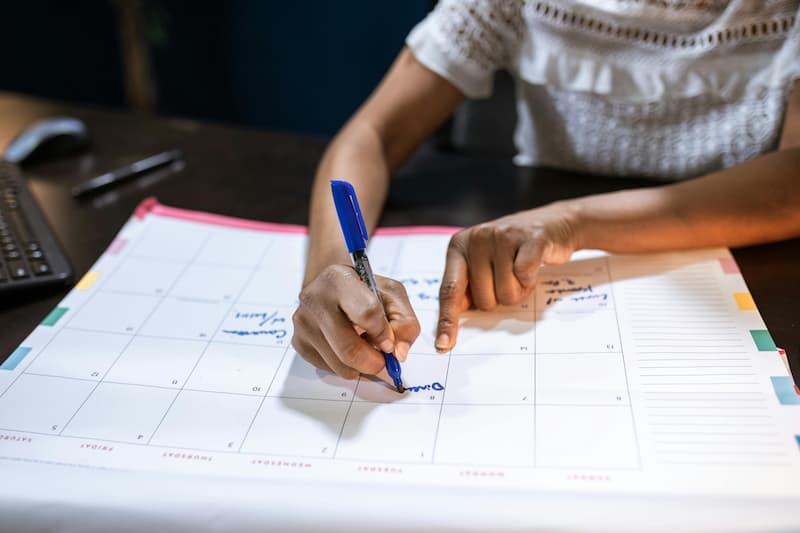
Weeks 1–2: Find the bag and get the number. Scroll your last 30 posts. Which bag video got the most saves, the most "where from?" DMs, the most comments? That bag. Submit it on Find My Bag. Get the quote. You're not committing to anything yet. You're just getting the number.
Weeks 3–4: Tease, announce, close. Post a teaser. One story. The bag. No price. Watch the DMs. Then announce the drop. 48-hour pre-order window. Collect payment before you order a single unit. Close the window. Count the orders.
Weeks 5–6: Order, receive, fulfill. Place the order for exactly what you sold. Receive the inventory. Quality check it. Ship it. Your buyers get their bags. You get your margin. Check your bank account. That's your brand's first revenue.
Weeks 7–8: Do it again. Analyze drop one. What sold fastest? What generated the most organic content from buyers? What price point held without friction? Run drop two with that data.
Month 3: Make the big decision. After three drops with real sales data: which silhouette do your buyers reach for? Which colorway? Which price point? You now have the single most valuable asset a brand can have — proof of demand. Now you OEM it. Put your name on it. Read the OEM guide and Start Your Bag Brand.
That's 90 days from zero to data-backed brand. No trade shows. No minimum order anxiety. No business plan sitting in a Google Doc nobody reads.
Conclusion
Starting a handbag brand in 2026 doesn't require a factory connection, a fashion background, or $25,000 upfront. It requires a bag your audience already wants, a way to source it without the wholesale nightmare, and the discipline to sell before you spend.
Everything else — the brand name, the logo, the aesthetic, the website — comes after the first sale. Not before.
Go find the bag.
Frequently Asked Questions
How much money do I need to start a handbag brand?
Less than you think. If you pre-sell before you order, you collect payment before spending anything on sourcing. Your buyers fund the first inventory run. The only upfront cost is your time. For OEM at 50 units, you're looking at $1,250–$2,000 in sourcing costs based on our current supplier network — but only after you've already collected that money from pre-orders.
Do I need to know how to design handbags to start?
No. You need to know which bag your audience wants. The design process at the entry level is mostly curation and iteration — you reference an existing silhouette, adjust the details, add your branding. Full original design comes later, after you have the sales data to justify it.
What's the realistic minimum order to start?
10–20 units for a sourced drop. 50 units for OEM, based on our current supplier network. That's the number where the economics start to make sense without requiring a five-figure upfront commitment.
How long does it take from idea to first sale?
If you move fast: seven to ten days. Submit the bag, get the quote, post the teaser, open pre-orders, close in 48 hours. That's your first sale. Delivery adds another one to two weeks depending on your location.
What's the difference between private label and OEM?
Private label means you're putting your logo on something that already exists. OEM means you're designing something original and the factory manufactures it to your spec. The IP situation is very different. With OEM, you own the design. With private label, the factory usually retains rights to the base product.
How do I protect my handbag design from being copied?
OEM gives you design exclusivity — get that in your contract. Trademark your brand name before you launch, not after. A provisional trademark takes about ten minutes to file online and costs less than a single sourcing order.
How many drops before I should move to OEM?
Three to five drops with consistent sales. By then you know which silhouette converts, which price point holds, which colorway your buyers actually reach for. That data makes your OEM decision obvious. Before that, you're guessing.
Can I start a handbag brand without showing my face?
Yes. Product-only content works — flat lays, bag-in-context shots, unboxing content. Faceless is harder to scale because personal connection drives conversion on social. But if that's your lane, it's a lane. Several successful product-focused accounts run entirely without a face attached.