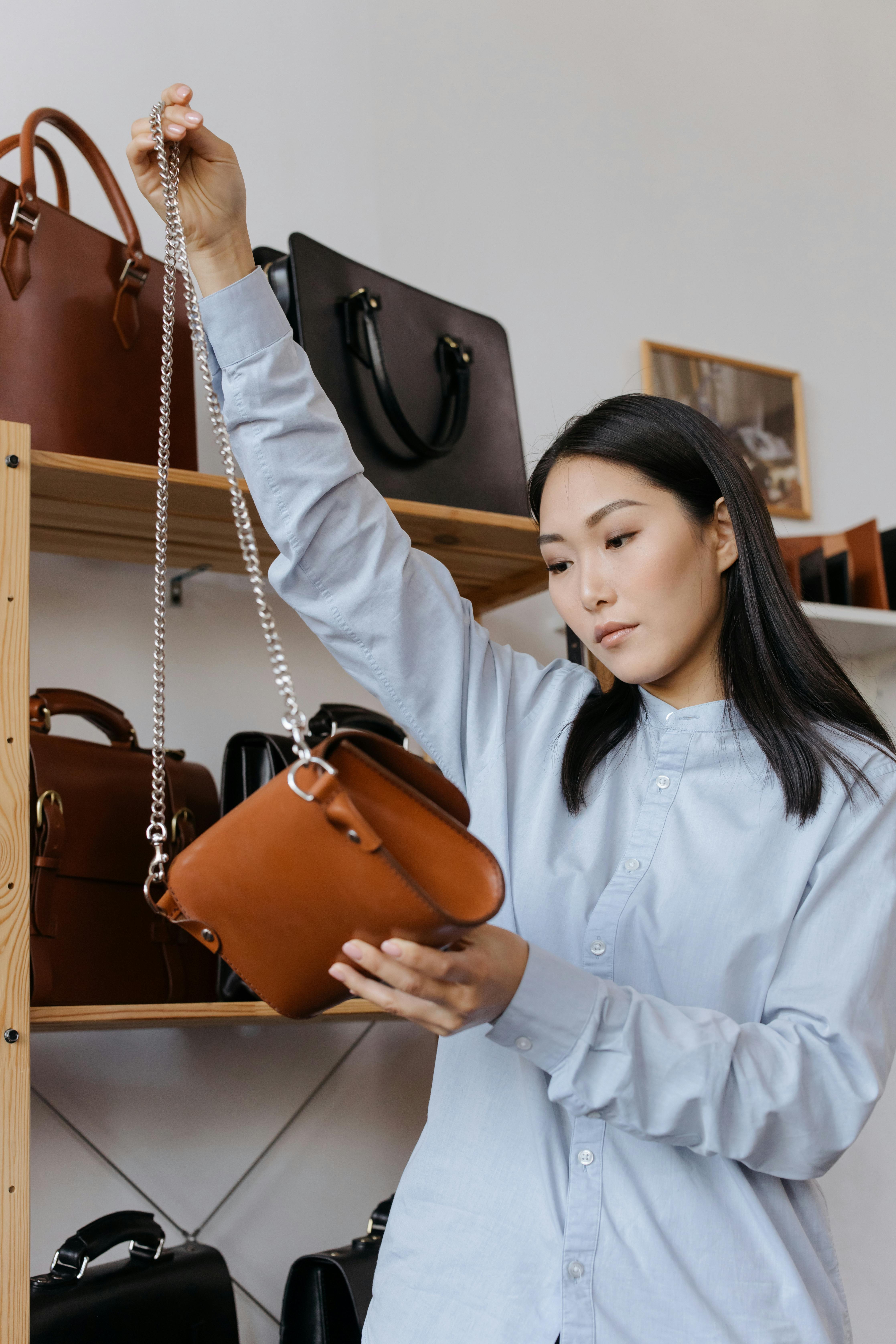
The product is the last step. The audience comes first.
At some point, every creator who has been selling trending handbags online hits the same moment. The audience is buying. The content is working. And then the thought hits: I'm doing all the hard work — why is someone else keeping the margin?
That moment is the beginning of a brand.
Most creators stop there because they assume launching their own handbag brand means designing from scratch, flying to a factory in China, or raising capital. None of that is true. With OEM manufacturing, you can launch a private label handbag brand — your name, your packaging, your product — without a design degree, without a factory visit, and starting from as little as 50 units.
This guide covers exactly how. If you haven't read how to sell trending handbags as a creator, start there — this guide picks up where that one ends. To see what the process looks like from our side, visit dropthatbag.com/how-it-works.
Step 1: What OEM Handbag Manufacturing Actually Means
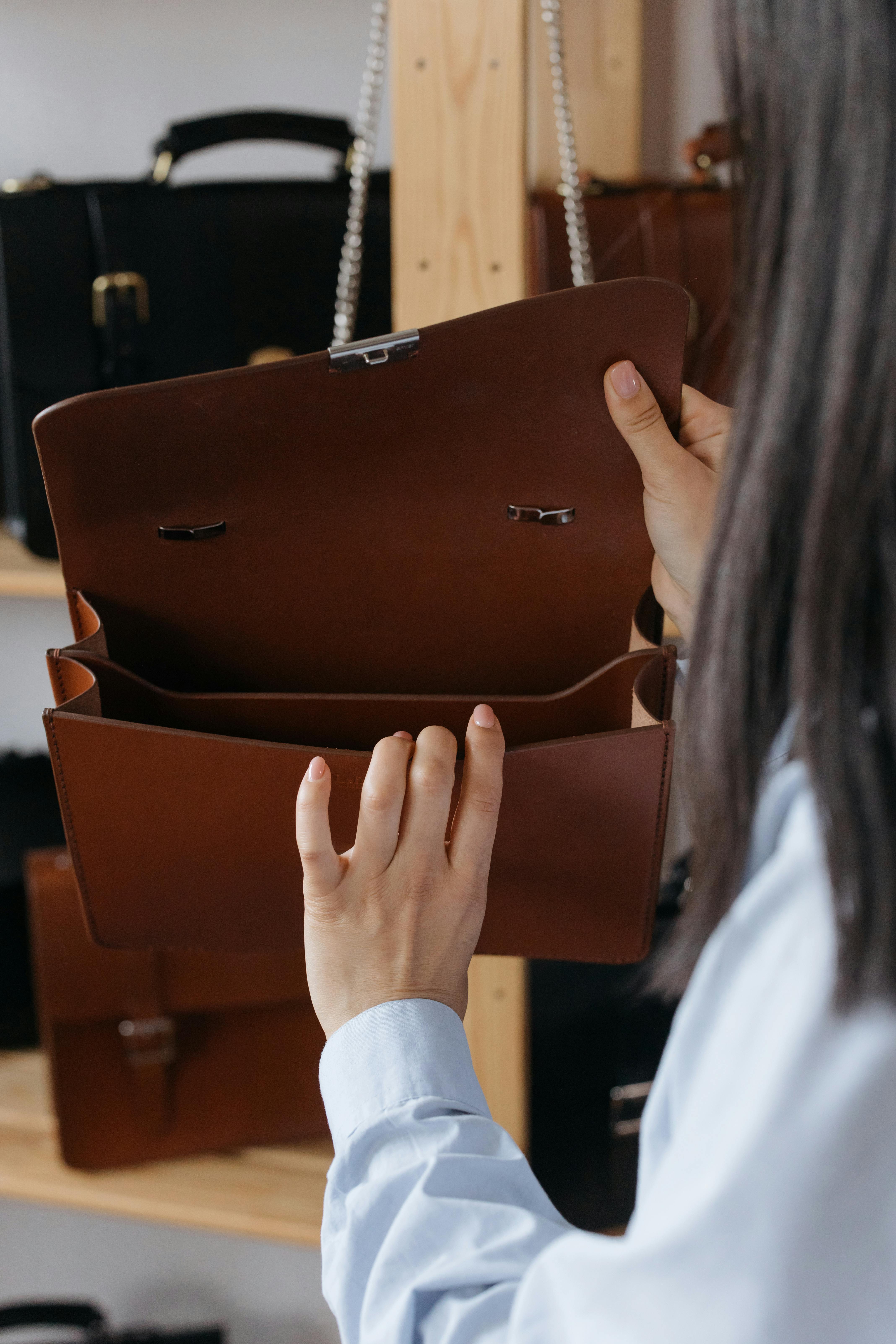
OEM: the factory makes it. You brand it.
OEM stands for Original Equipment Manufacturer. In plain terms: a factory makes an existing bag design, and you put your brand on it. You are not inventing a new product. You are claiming an existing one.
This is different from ODM — Original Design Manufacturer — where you design a bag from scratch and commission production. ODM is more expensive, slower, and requires more expertise. OEM is where every smart creator-brand starts.
With OEM, you choose a bag style that already works — a structured tote, a mini crossbody, a quilted shoulder bag. The factory already has the moulds, the materials, the process. Your job is to add what makes it yours: your logo on the lining, your hardware colour, your branded dust bag, your packaging. The factory handles the rest.
The minimum order is typically 50 units. That is not a warehouse. That is one good drop to your audience. The barrier to entry is far lower than most creators think. To understand how Drop That Bag makes this even simpler, read our full sourcing process overview.
Step 2: How to Validate Your Handbag Brand Before Spending a Single Dollar
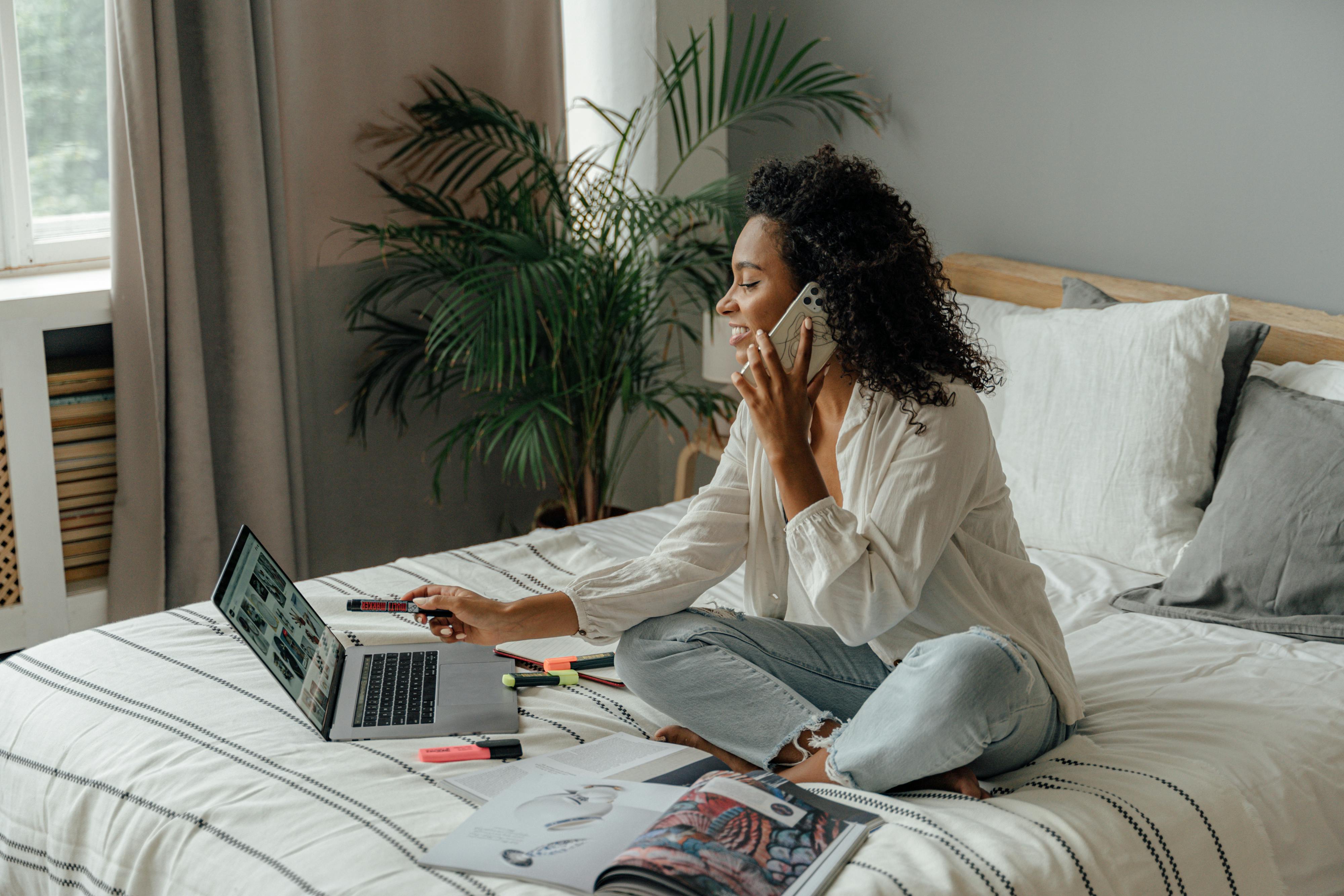
Your comments section is already doing your market research.
The biggest mistake new brand owners make is starting with the product. Don't start with the product. Start with the signal.
Look at your last 30 posts. Which bag got the most saves? Which video had the highest replay rate? Which content made people write "where can I get this?" in the comments? That engagement is not just performance data — it is your product roadmap.
When you see a pattern — a style, a colour, a silhouette — that consistently outperforms the rest, that is your first SKU. You are not guessing. You are responding to demand that already exists inside your own content.
This is the creator's unfair advantage over traditional brands. Most companies spend months and budgets on consumer research to figure out what you already know from your analytics. If you're still in the reselling phase, start by using Find My Bag to source bags your audience is already asking for — that data will show you exactly which style deserves to be your first branded drop.
Once you have a clear signal — one style that consistently performs — you are ready to move to production.
Step 3: How to Design and Customize Your First Private Label Handbag
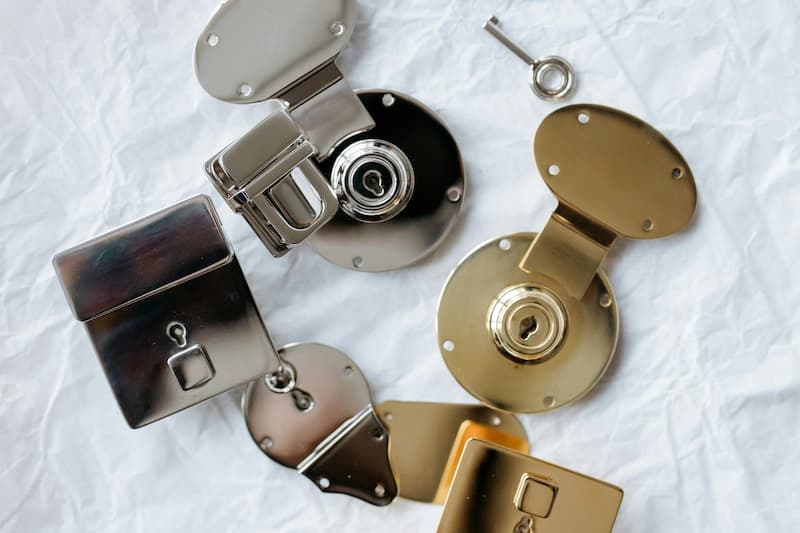
Gold or silver — one detail that defines your brand's identity.
You do not need to design a new bag. You need to make an existing bag feel like yours.
Pick one silhouette. Not five. One. A structured top-handle, a mini bucket bag, a chain crossbody — whatever your audience has already responded to in your content. Trying to launch a range on your first drop is one of the most common and expensive mistakes first-time brand owners make.
Once you have the shape, here is what you can customize through DTB's OEM production process:
- Interior label — your brand name sewn into the lining
- Hardware colour — gold, silver, gunmetal, or custom tone
- Lining fabric and colour — a signature detail that becomes recognizable
- Dust bag — branded with your logo, adds perceived value immediately
- Packaging — branded box, tissue paper, care card
- Exterior colour or finish — within the factory's existing material options
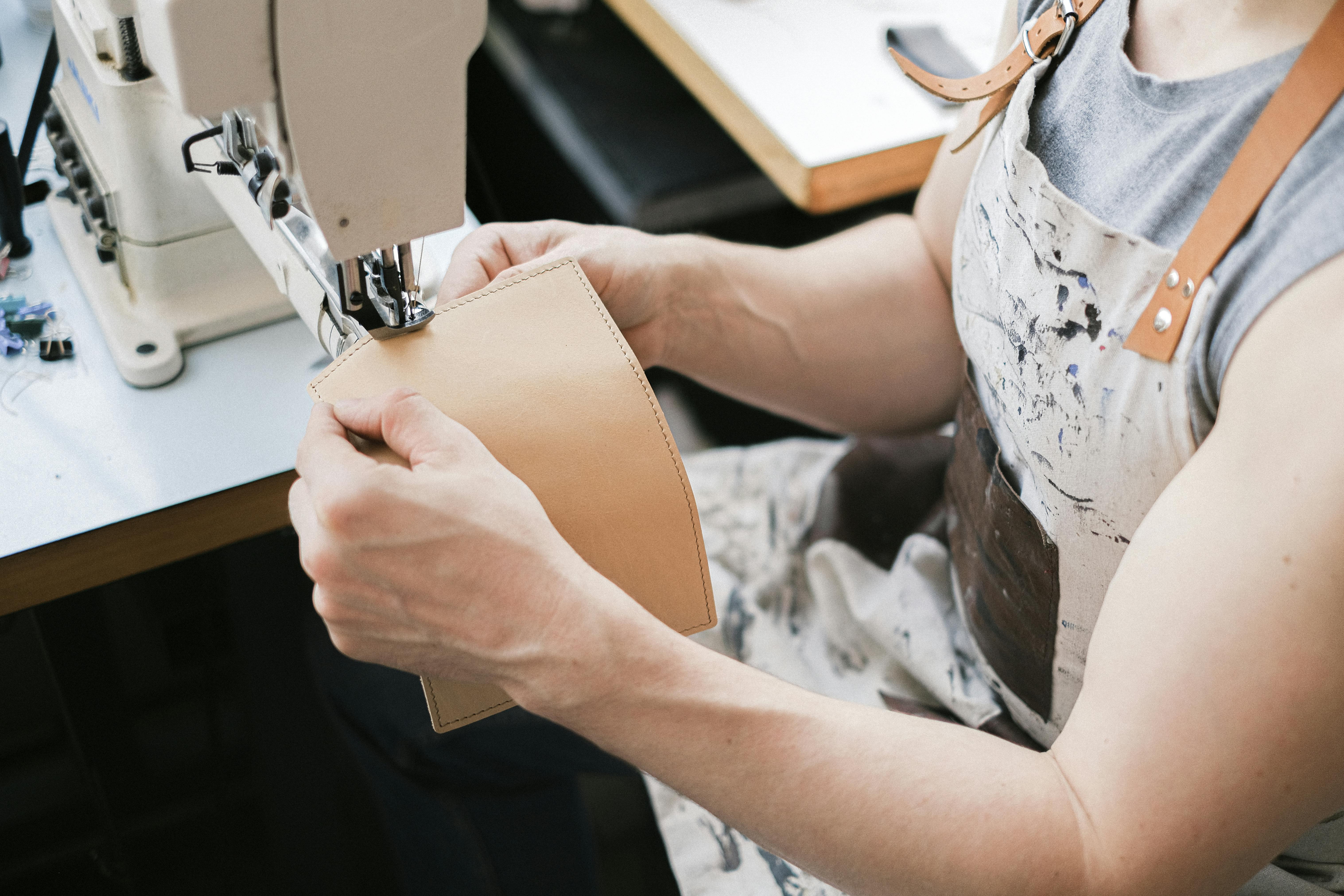
Every detail compounds. Pick two or three that become your signature.
Resist the urge to customize everything at once. Pick two or three details that will become your brand's signature. Consistency is what builds recognition over time. Your audience should be able to spot your bag without reading the label.
Ready to launch your own handbag brand?
Submit your bag reference, tell us how you want to customize it — logo, hardware, packaging — and we handle the factory. You focus on your drop.
Start Your Brand → No factory visit · No design degree · From 50 unitsStep 4: How to Find the Right OEM Handbag Supplier — And Why Most Creators Get This Wrong
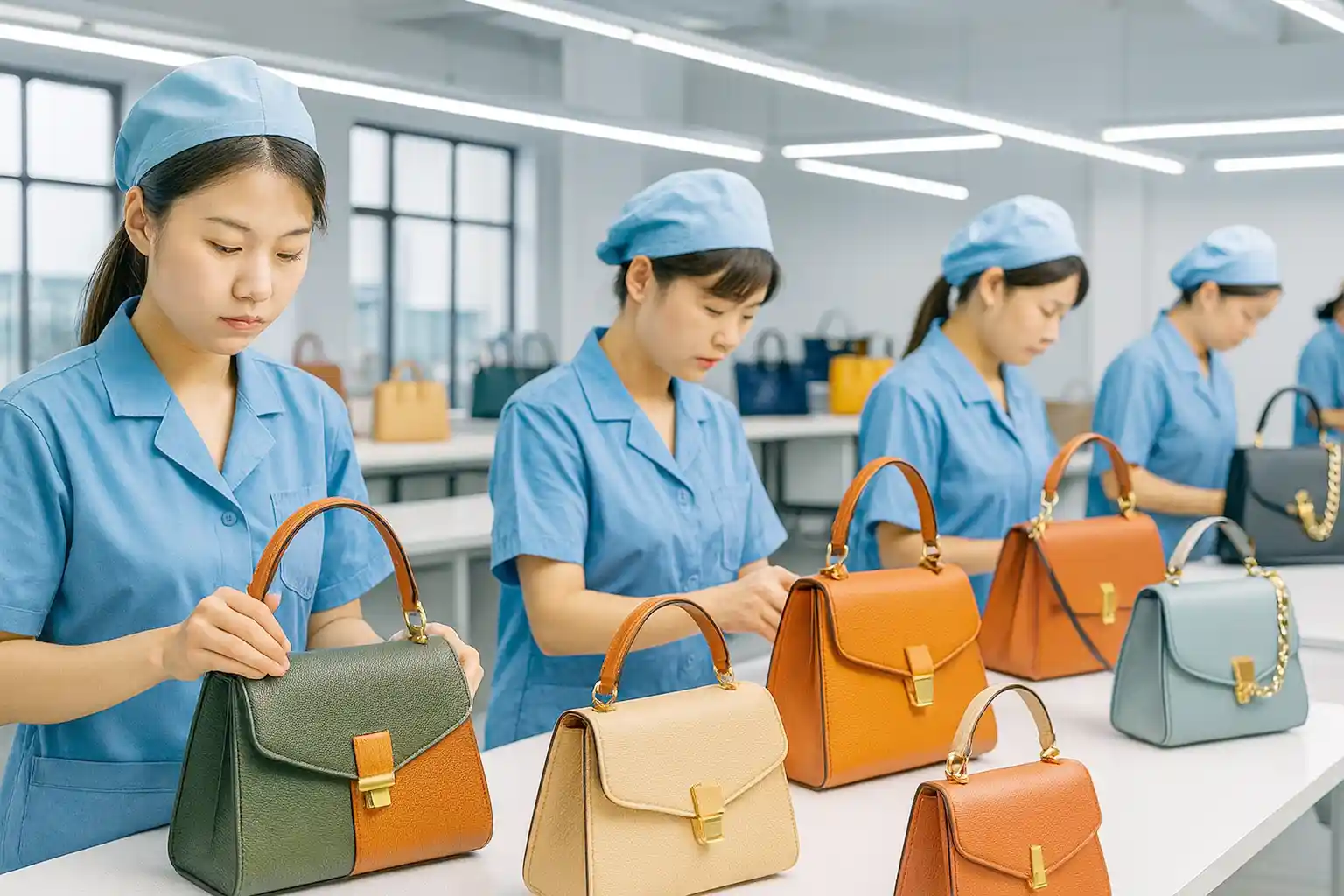
Quality control isn't optional. With DTB, it's already handled.
Most creators who try to source OEM directly make the same mistakes. They search "handbag factory China" and land on Alibaba. They message 20 suppliers. Half don't reply. Of those who do, three quote MOQs of 500 units. Two send samples that look nothing like the photos. One ghosts them after payment.
The problem is not that good OEM suppliers don't exist. The problem is that finding and vetting them is a full-time job that has nothing to do with building a brand or creating content.
This is exactly what Drop That Bag handles. DTB already has established supplier relationships, handles quality verification on your behalf, and manages logistics from factory to your door. You describe what you want. DTB sources it, verifies the quality, and ships directly to you.
You are not paying for a middleman. You are paying to skip months of wasted time and bad samples. For a first-time brand launching 50 to 100 units, that is the correct use of capital. The same process that powers our reselling model for creators also underpins every OEM order — just with your brand on it.
Ready to start? Submit your brief on the Start Your Bag Brand page and the DTB team will take it from there.
Step 5: How to Launch and Sell Your First Handbag Drop to Your Audience
Do not call it a product launch. Call it a drop.
Your audience has been trained by the creator economy to respond to scarcity and exclusivity. A "product launch" sounds like a brand trying to sell something. A "drop" sounds like something worth competing for. The framing matters more than most people think.
Here is how to structure your first drop:
- Pre-announce on stories 5–7 days before. Show the bag. Tease the details. Let anticipation build. Don't reveal everything at once.
- Keep the first run small. 50 to 100 units. Scarcity is not a disadvantage — it is a positioning tool. "Only 50 available" is a stronger message than "available anytime."
- Price for real margin. Your OEM cost is your floor. Your price should be 2.5 to 3 times that floor. You are not just selling a bag — you are selling your brand, your taste, your curation.
- Sell simply. A link in bio, a DM flow, or a basic product page. Do not over-engineer the first drop. Friction kills conversion.
- Document everything. The unboxing, the packaging reveal, the first customer reaction. This content fuels the next drop and builds brand trust faster than any ad.
The first drop is not primarily about profit. It is about proof. Proof to your audience that your brand is real. Proof to yourself that the demand you identified — through your content, your comments, your Find My Bag sourcing history — was genuine. Proof that the system works.
After the first drop sells through, you have something no amount of marketing can buy: a track record. The second drop will be easier. The third will be faster. And by then, you are not just a creator who sells bags. You are a brand.
The audience was always there. The product is just the bridge between their attention and your revenue. Start building yours at dropthatbag.com/start-your-bag-brand.